
Our Passion for Waste Management
Your Trusted Partner in Sustainable Waste
New Offers
At FJK TRADERS Ltd, we are driven by a deep commitment to environmental sustainability. For over 40 years, we’ve dedicated ourselves to innovative recycling solutions, turning waste into valuable resources. Our passion stems from a desire to reduce environmental impact, conserve natural resources, and promote a circular economy. We believe in making a difference for future generations by transforming waste into opportunities, fostering a cleaner, greener planet for all.
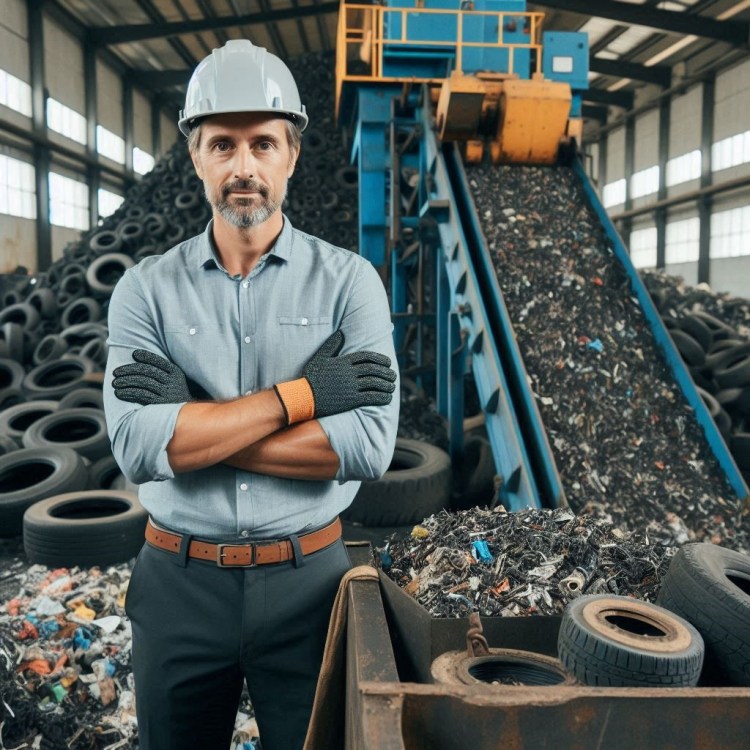
Tyre Recycling
The UK generates approximately 50 million tires (480,000 tonnes) reaching the end of their usable life each year. Europe, according to the European Tyre and Rubber Manufacturers’ Association, produces around 3.5 million tonnes of used car tires annually, with at least 90% of these end-of-life tires being reused in some way.

Plastic Recycling
Plastic waste remains a major environmental challenge. In 2021, the EU generated approximately 84.3 million tonnes of packaging waste, with plastic waste constituting about 19% of this total (European Commission). The UK alone produced around 2.2 million tonnes of plastic packaging waste in 2020 (GOV.UK).
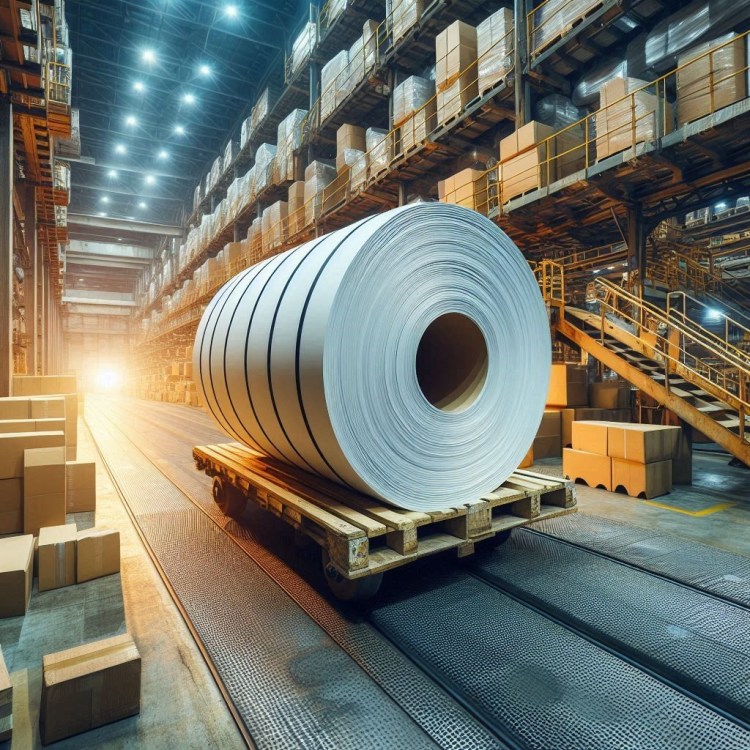
Paper Recycling
Paper and cardboard packaging are also significant waste streams. The EU generated about 33.9 million tonnes of paper and cardboard packaging waste in 2021 (European Commission). The UK contributed about 5.4 million tonnes of paper and cardboard waste (GOV.UK).
An Array of Resources
Our approach is built on technical expertise, regulatory compliance, and long-term sustainability—addressing industrial waste challenges with precision rather than volume-based disposal.
Innovative
Our solutions are designed to:
- Handle hard-to-recycle post-industrial rubber waste
- Improve material recovery efficiency
- Enable responsible reuse within approved industrial supply chains
Innovation at FJK Traders is driven by practical engineering knowledge, not experimental processing.
Professionalism
We are committed to:
- Responsible recycling over disposal or energy recovery
- Minimising landfill dependency for industrial rubber waste
- Ensuring full compliance with environmental and waste regulations
Our work supports a circular economy model, returning recovered materials to productive use while reducing ecological impact.
Reliable
Clients rely on us for:
- Consistent, compliant waste solutions
- Long-term operational dependability
- High standards of material quality and process integrity
Our experience allows us to deliver measurable outcomes, even for the most complex industrial rubber waste.
Rubber Waste Management
FJK TRADERS LTD is a pioneering waste management company specializing in the collection, processing, and recycling of rubber and its derivative products. Headquartered in the United Kingdom, the company has built a strong reputation as a trusted provider of environmentally friendly waste management solutions. With a strategic focus on high-demand markets like India, Pakistan, Malaysia, and Nigeria, FJK TRADERS LTD plays a vital role in promoting sustainable practices by turning waste into reusable and valuable resources.
Specialized Solutions for Post-Industrial Rubber Waste
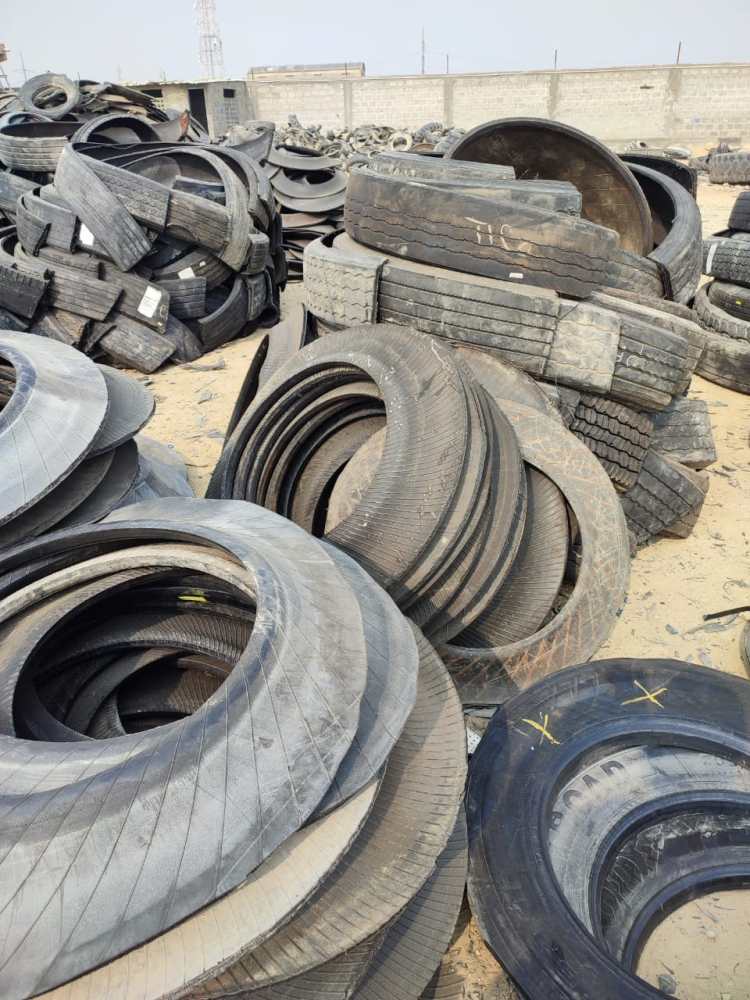
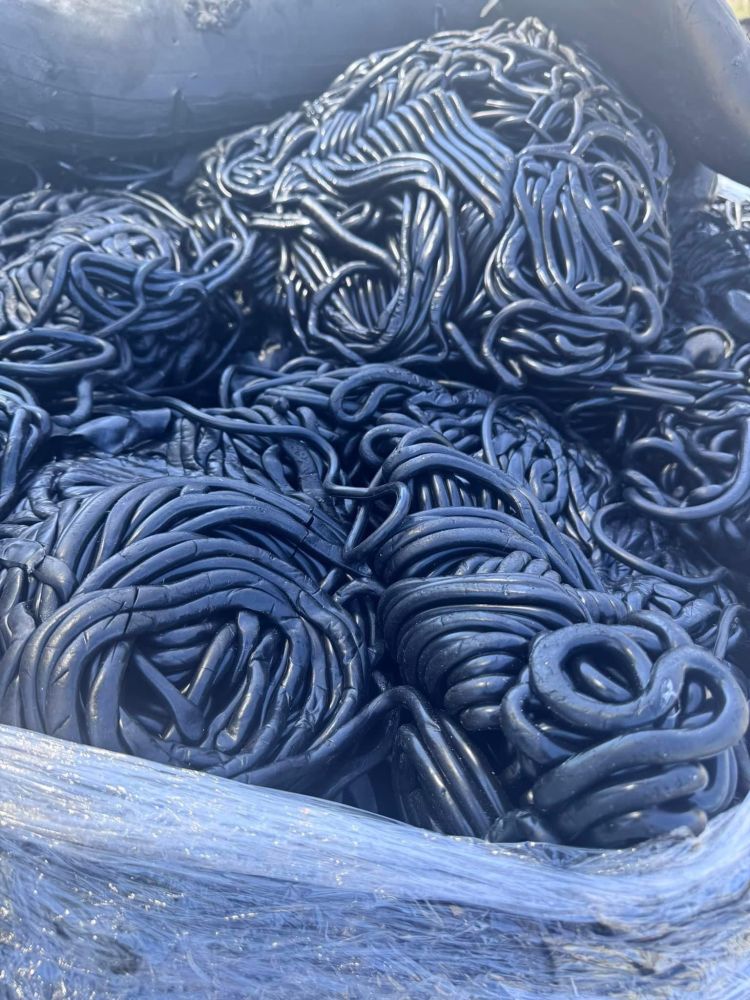
FJK TRADERS LTD is a specialist rubber waste management company with decades of experience in handling complex, post-industrial rubber materials that are traditionally considered difficult or uneconomical to recycle.
Unlike conventional waste handlers, FJK Traders does not operate in tyre-derived fuel (TDF). Our focus is exclusively on high-value material recovery, regulatory-compliant recycling, and sustainable reuse of industrial rubber waste streams.
With a technical legacy spanning over 40 years, we deliver proven solutions where standard recycling methods fail.
Our Core Focus: Post-Industrial Rubber Waste
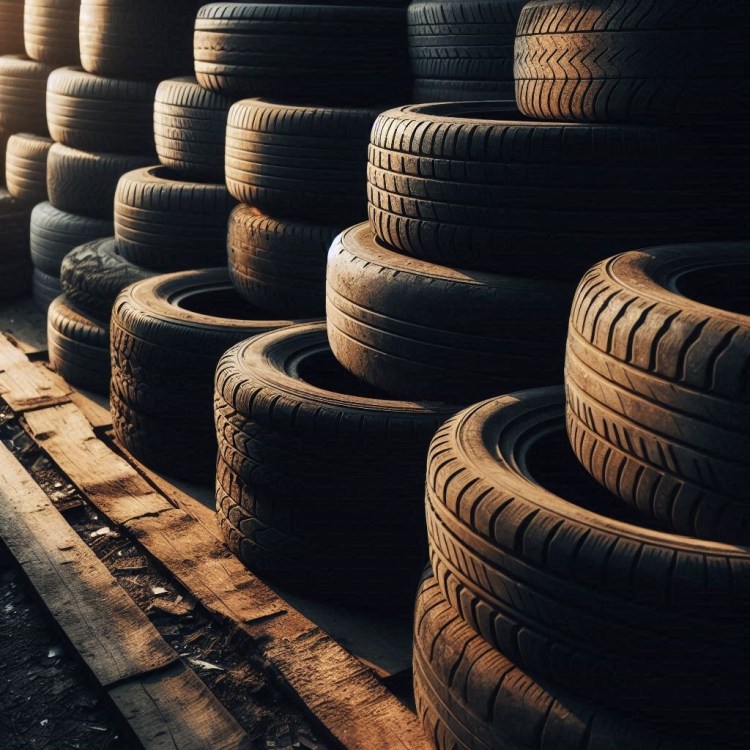
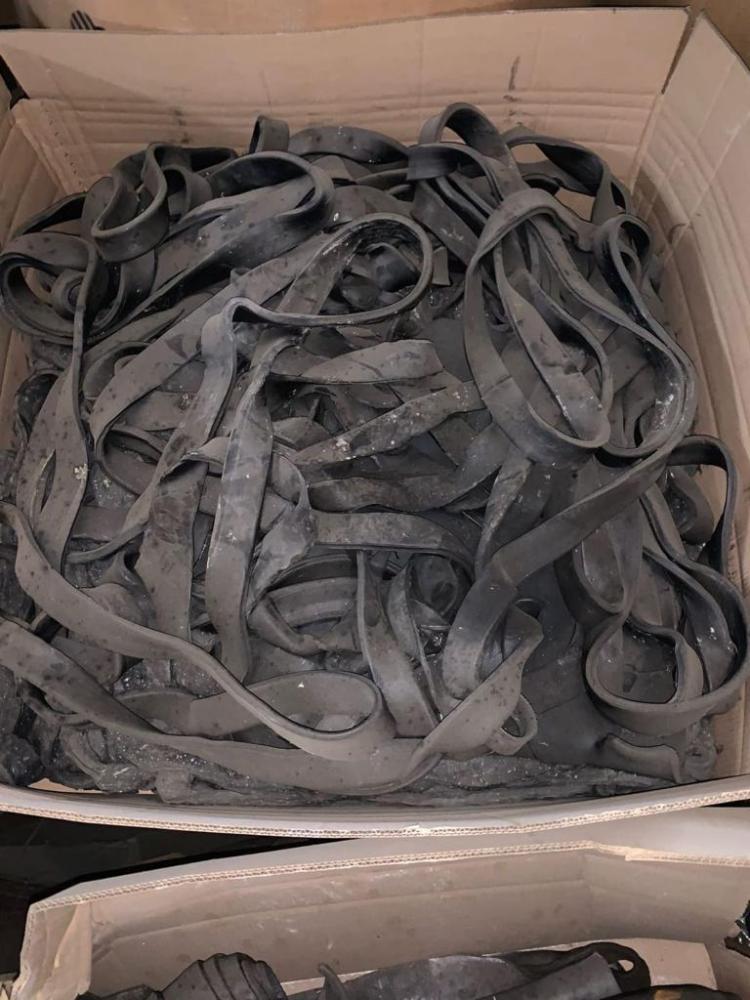
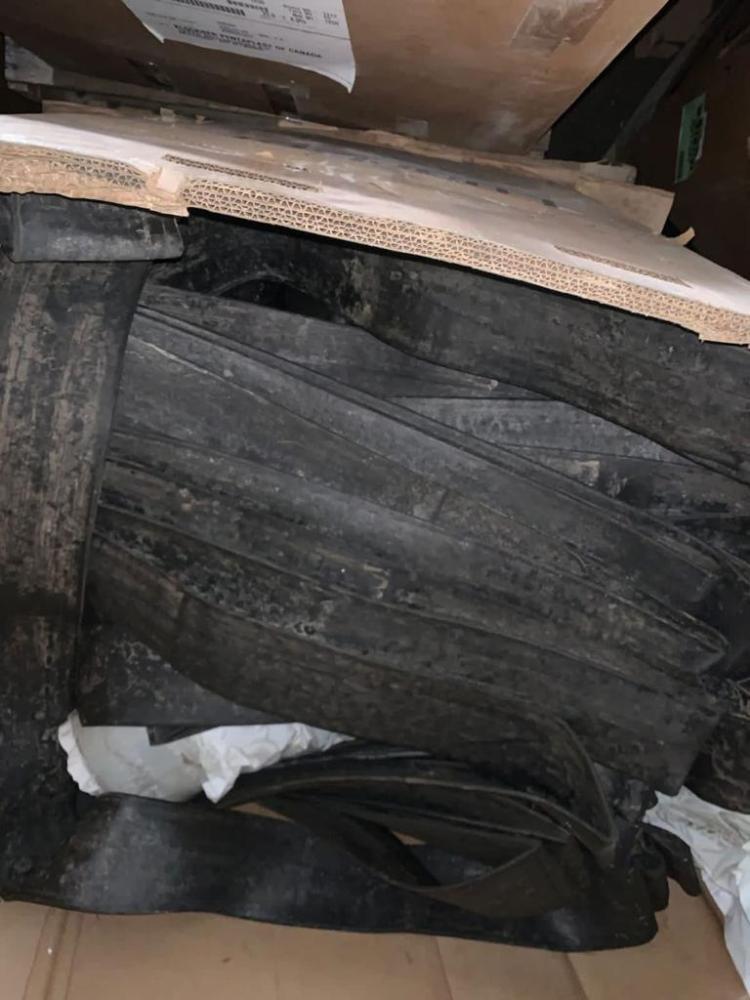
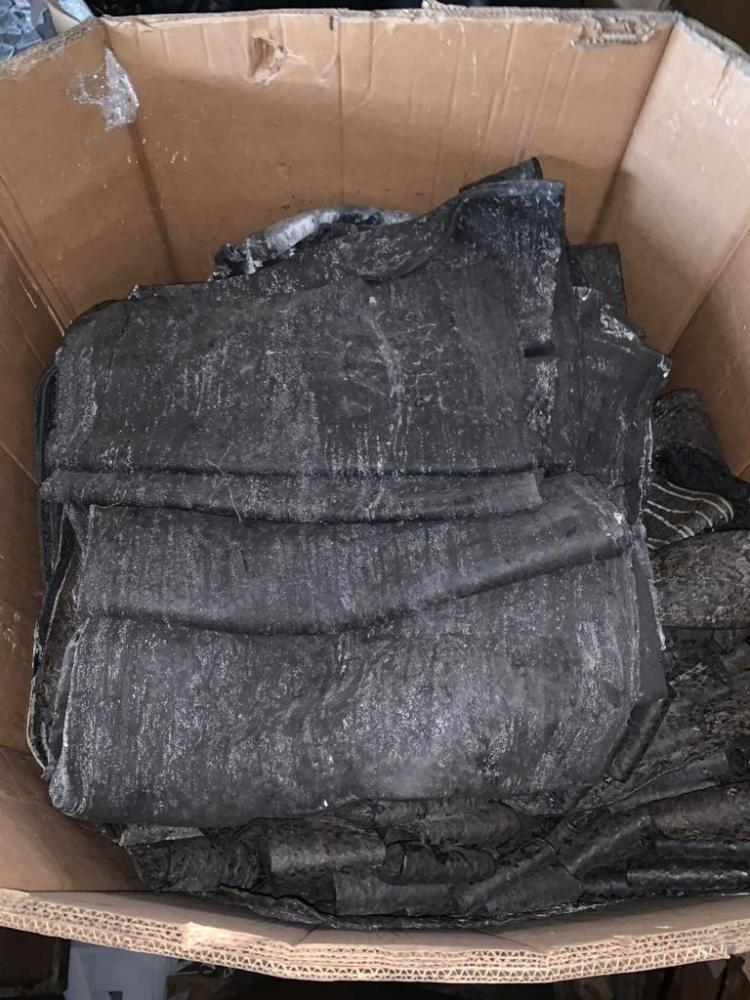
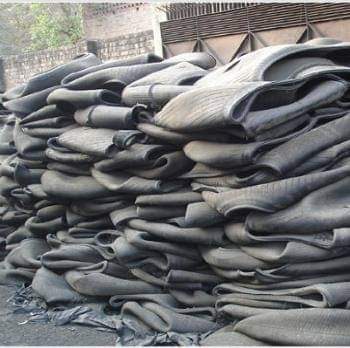
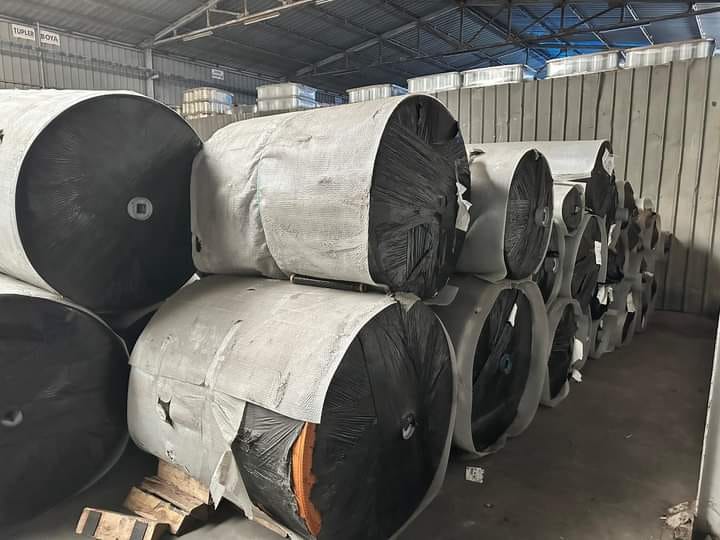
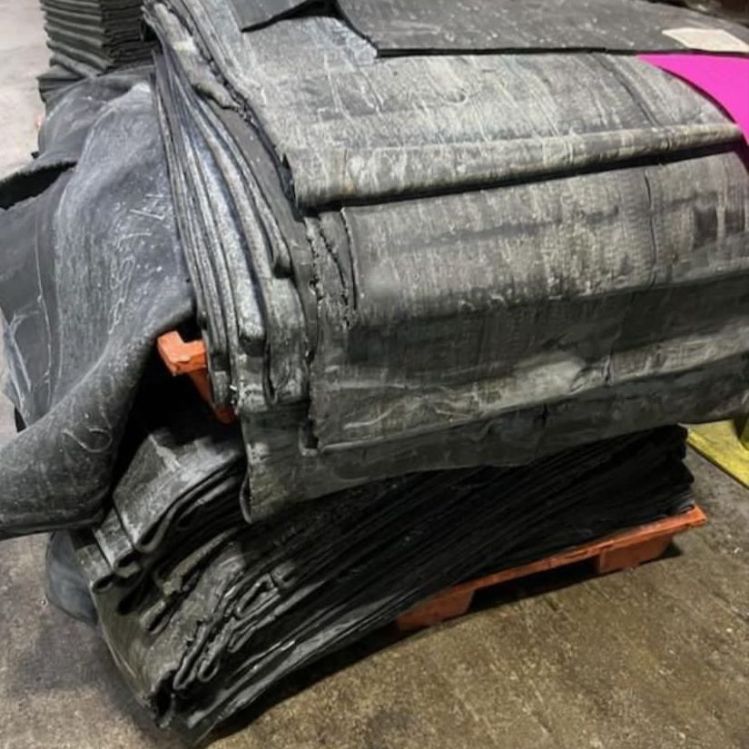
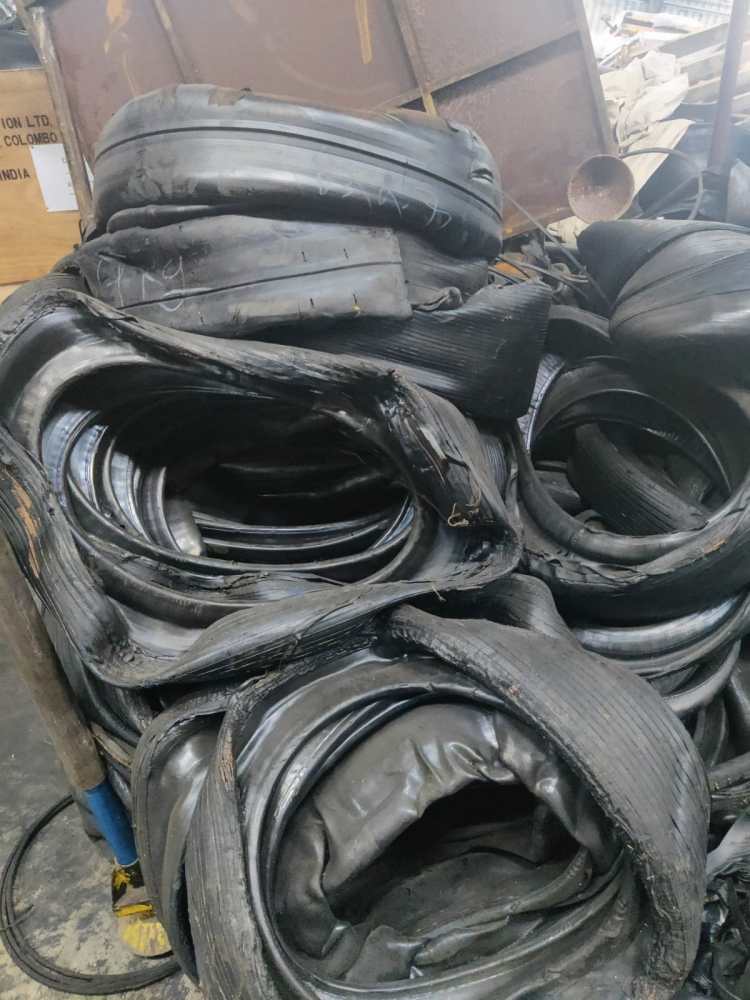
FJK Traders concentrates on post-industrial rubber waste, including materials generated during manufacturing, processing, and industrial operations. These materials often require advanced handling due to their composition, contamination, or formulation.
We specialize in managing:
- Complex rubber compounds
- Hard-to-process industrial rubber scrap
- Rubber waste with mixed properties or additives
- Materials rejected by conventional recyclers
Our approach prioritizes material recovery, compliance, and long-term sustainability rather than disposal or energy recovery.
a
The company is deeply committed to environmental sustainability, striving to reduce the ecological impact of waste through effective recycling and management practices..
Responsible Recycling & Regulatory Compliance
FJK Traders is fully committed to responsible recycling practices and works strictly within environmental and regulatory frameworks.
We ensure that:
- All materials are processed through approved recycling channels
- Operations comply with environmental standards and waste regulations
- Traceability and accountability are maintained throughout the recycling process
Our model supports a circular economy, reducing landfill dependency while returning recovered rubber materials into productive industrial use.



A Long-Term Partner in Industrial Waste Solutions
Operating across multiple regions, FJK Traders collaborates with manufacturers, processors, and approved recyclers to deliver reliable, long-term waste management solutions.
Our strength lies not in volume disposal, but in:
- Technical problem-solving
- Handling challenging waste streams
- Delivering measurable environmental value
- Supporting industry-grade sustainability objectives

Plastic Waste Handling
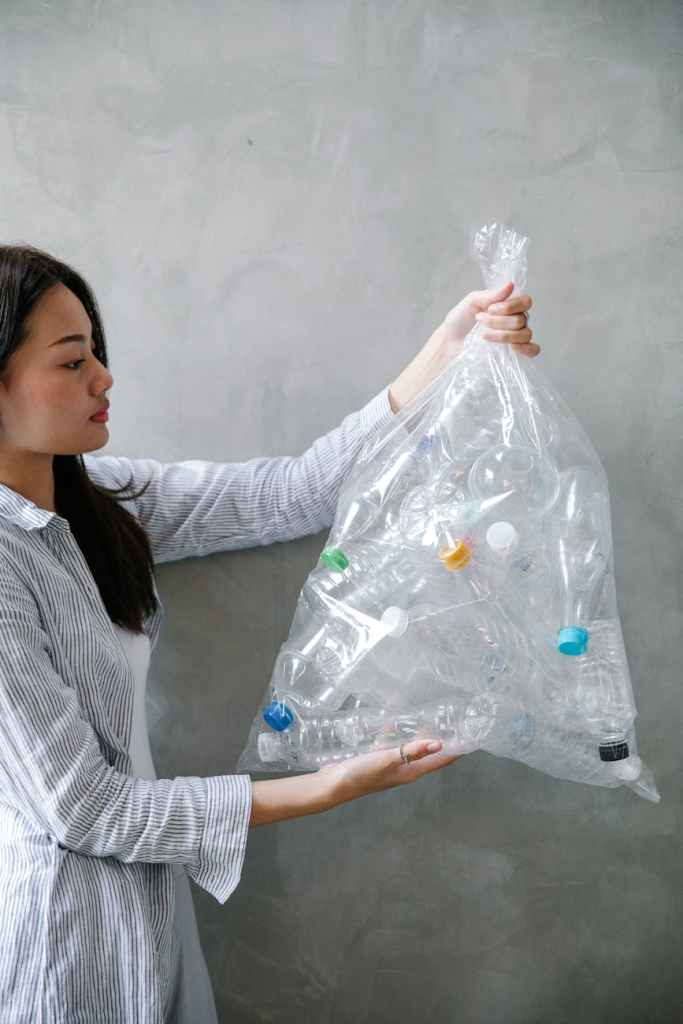
A
- Recycling Initiatives: Managing excess plastic materials to reduce landfill waste.
- Global Partnerships: Partnering with markets in the Far East, UAE, India, and Pakistan for effective waste processing.
- Innovation in Recycling Techniques : continually adopts and invests in advanced recycling technologies to improve efficiency and quality in waste management.
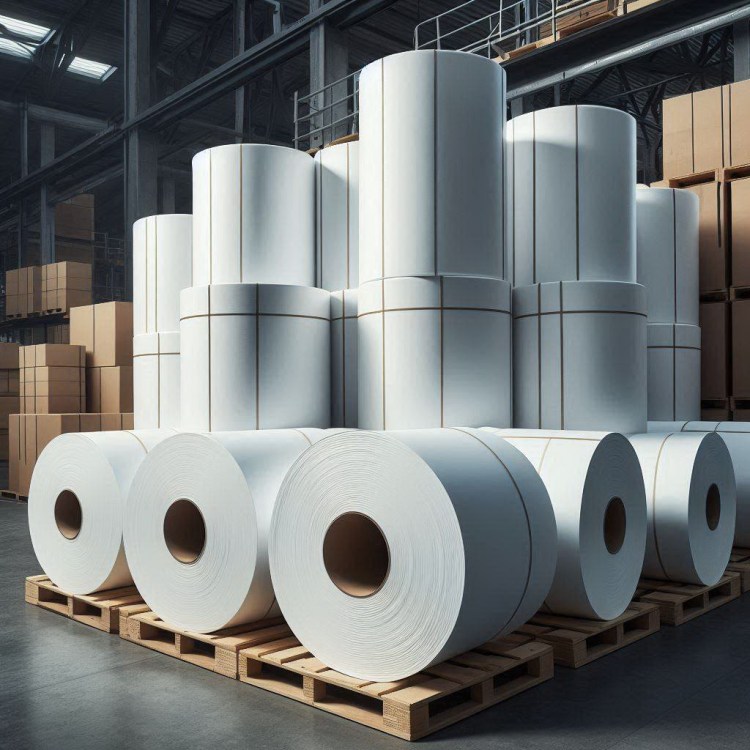
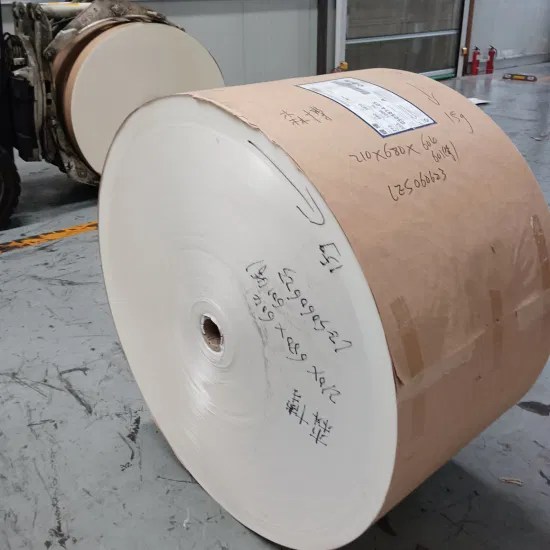
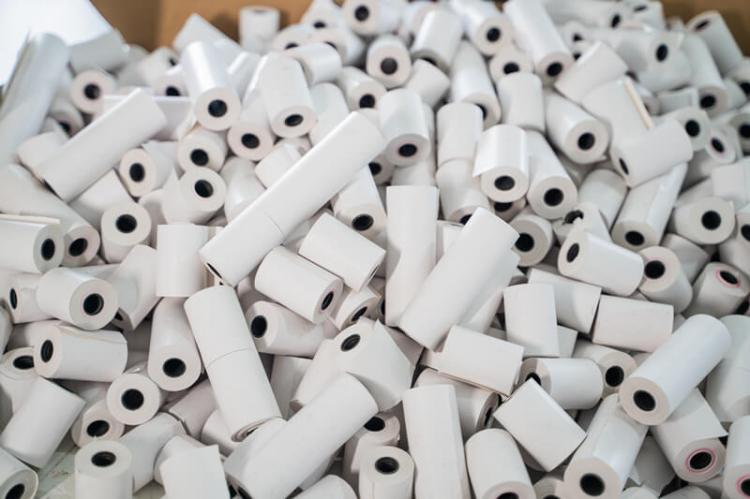
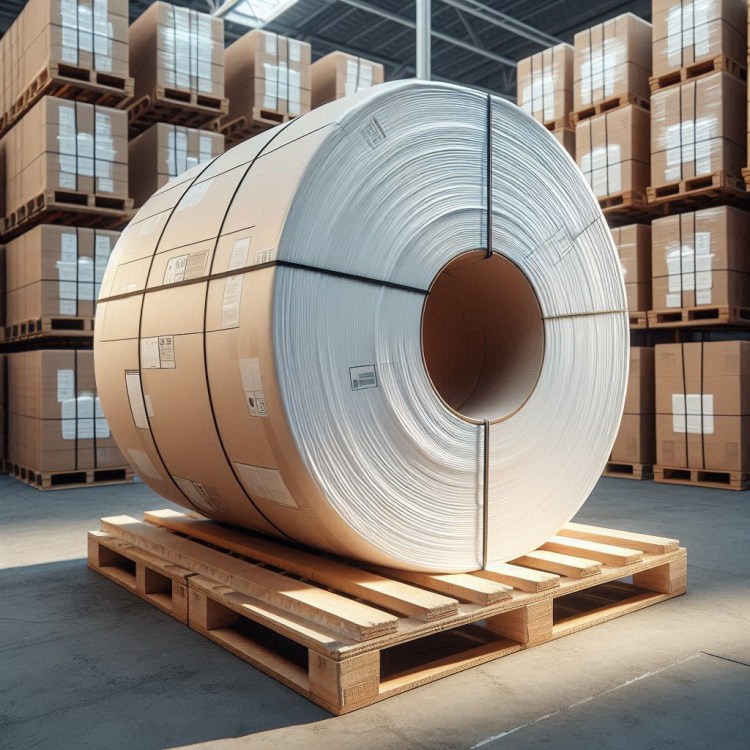
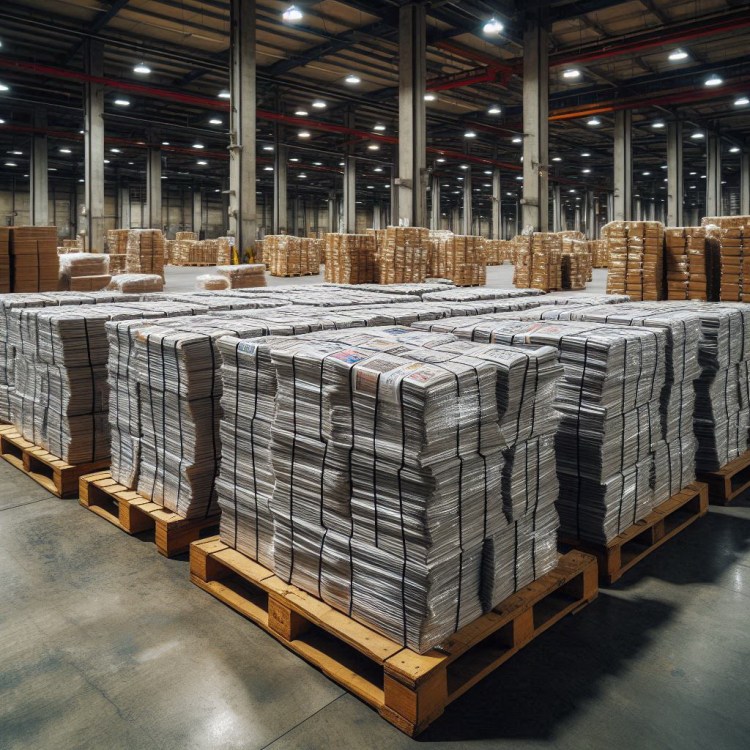
Paper Waste Handling
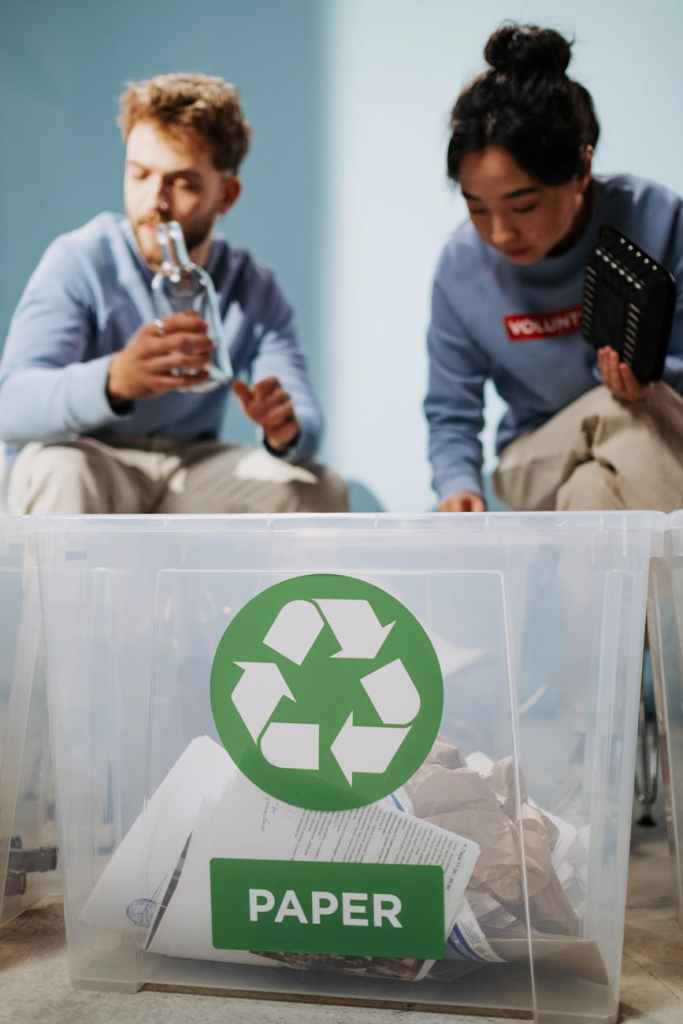
- Efficient Collection: Handling and recycling surplus paper to ensure high recycling rates.
- Global Partnerships: Partnering with markets in the Far East, UAE, India, and Pakistan for effective waste processing.
- Environmental Impact Reduction: Implementing sustainable practices to minimize the environmental impact through effective waste management.
Strategy
- Post-Industrial Rubber Recycling
- Focused on complex rubber waste streams that are difficult to process through conventional recycling systems.
- Specialist Processing Techniques
- Proven methodologies developed over decades to recover value from challenging industrial rubber materials.
- Regulated Global Partnerships
- Collaboration with approved processors and industrial partners to ensure compliance, traceability, and responsible reuse.
Growth
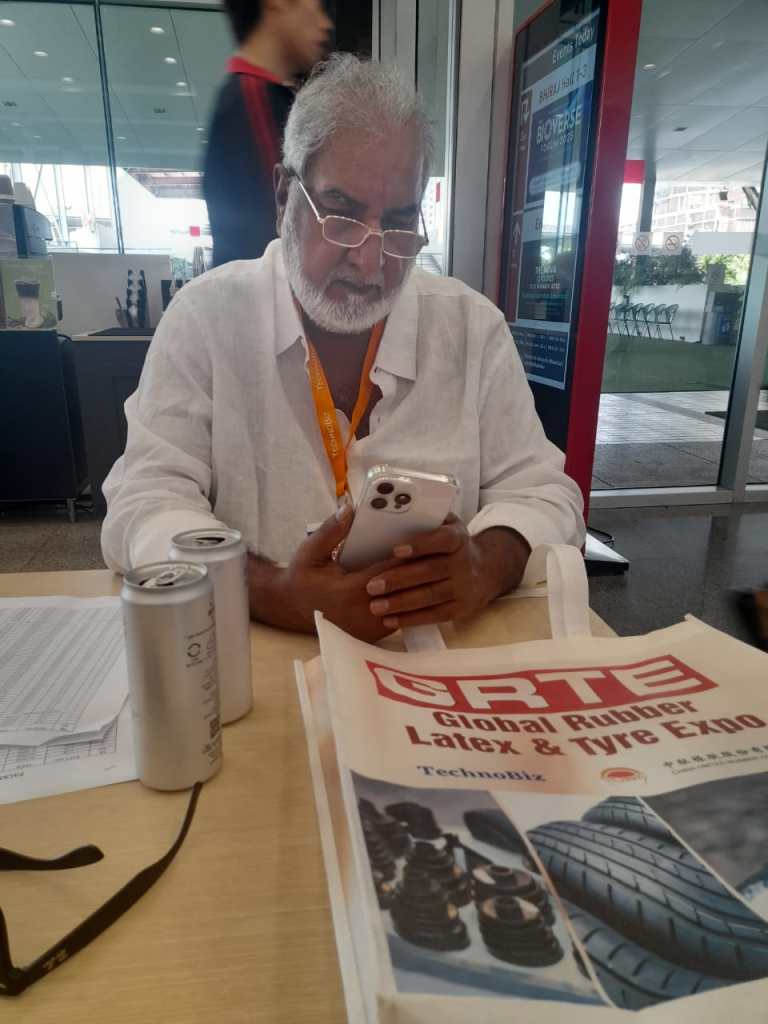
“Sustainable recycling is not an aspiration—it is a responsibility. At FJK Traders, we deliver solutions where standard recycling ends.”
— Z. Anjum, Founder & Environmental Solutions Leader
Success
Success at FJK Traders Ltd is measured by outcomes, not promises.
We have built our reputation by:
- Turning complex rubber waste into reusable industrial resources
- Reducing landfill dependency for post-industrial materials
- Supporting circular economy objectives through practical action
With over 40 years of industry experience, we remain committed to delivering reliable, compliant, and solution-driven recycling services that create long-term value for our partners and the environment.





About Us
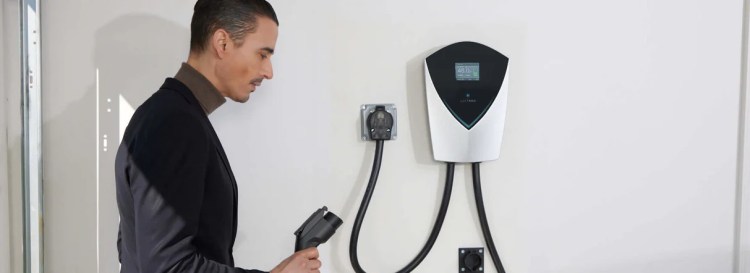
Making a difference for future generations by transforming waste into opportunities, fostering a cleaner, greener planet for all.
Get In Touch
FJK TRADERS LTD
OL16 5LB, Greater Manchester ,United Kingdom
+ 44 1706 632290
sales@fjktraders.co.uk
Company Registered
England & Wales
13495459



FJK TRADERS
74000, Karachi, Pakistan
+92 333 3188821
fawad@fjktraders.co.uk
NTN: 1296630-4
Registered with

FJK TRADERS LLC
Katy TX 77494 USA
+1 346 558 8366
sales@fjktraders.co.uk
Drop By
Greater Manchester
OL16 5LB
Waste Management services
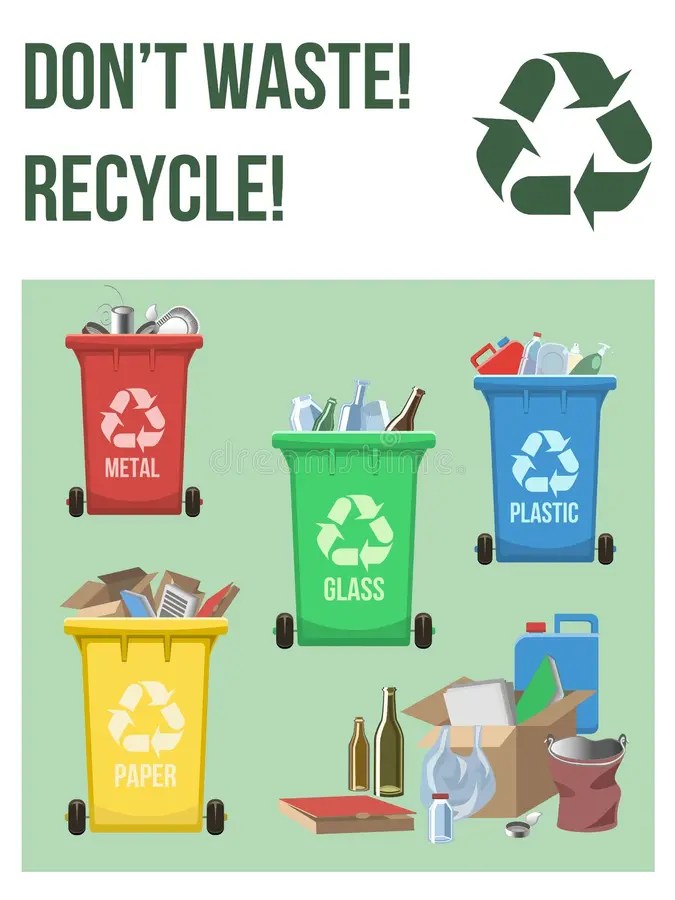
FJK TRADERS LTD offers a comprehensive range of waste management services, including waste collection, recycling, and disposal. By focusing on innovative and environmentally friendly waste management practices, the company helps to reduce the amount of waste sent to landfills and increase recycling rates. This not only minimizes environmental impact but also supports the UK’s efforts to achieve higher recycling targets.
Waste Management Jobs
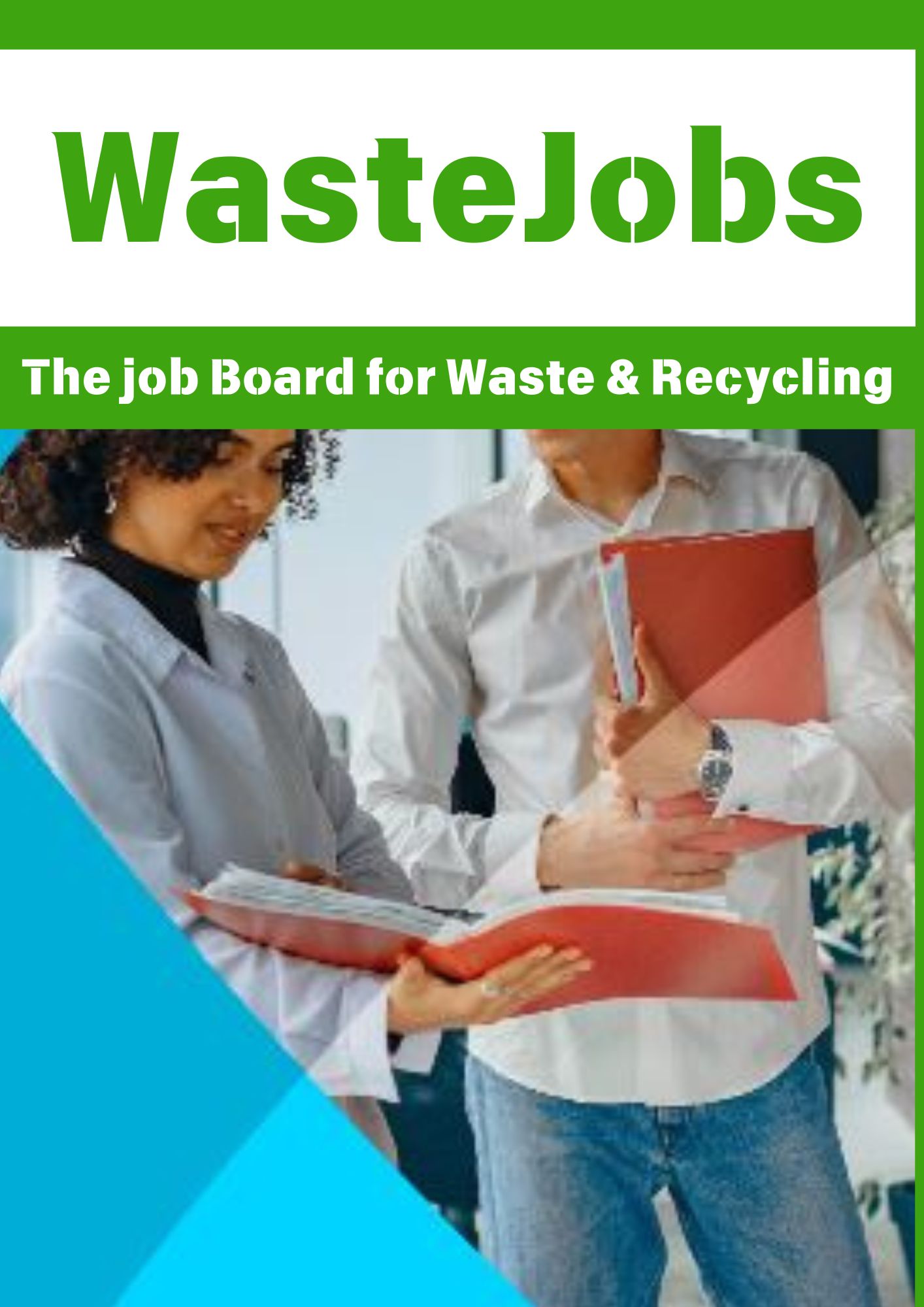
The waste management industry in the UK is not only crucial for environmental sustainability but also a significant contributor to the national economy. Employing approximately 141,000 individuals and with an annual turnover of at least £9 billion, this sector plays a vital role in supporting the commercial, political, and social systems of the country. Within this dynamic landscape, FJKTRADERS LTD stands out as a key player committed to creating waste jobs and driving forward innovative waste solutions.

Upcoming event
National Letsrecycle Conference 2026
- 4 June 2026
- Westminster, London
- conferences@roarb2b.com
Attendees will gain a clear picture of regulatory trajectories, practical takeaways for service delivery and planning and opportunities to connect with peers across the supply chain.
Carbon black (CB) and silica are conventional fillers used extensively in the tyre industry worldwide. Due to its affordability and sustainability, feldspar can be utilised as an alternative to traditional fillers in the production of tyres. Styrene-butadiene rubber (SBR) filled with feldspar and CB (SBR/CB-Feldspar) has been used in this study to assess feldspar’s potential as a reinforcement filler in tyre tread applications. CB:Silica was compared to CB:Feldspar at a similar ratio to determine the ideal hybrid filler system. For both control and hybrid compounds, this work observed the impacts of different sulphur vulcanisation systems, including conventional vulcanisation (CV), efficient vulcanisation (EV), and semi-efficient vulcanisation (semi-EV). The control compound, which contains 40 parts per hundred rubber (phr) of CB, is based on the composition of hybrid compounds, which have CB:Feldspar filler ratios of 30:10, 20:20, and 10:30. The findings demonstrate that the semi-EV system reduces the SBR-Feldspar compound’s scorch and cure times. The hybrid compound’s curing characteristics and physical properties, such as tensile strength, hardness, rebound resilience, and abrasion resistance, have been enhanced using SBR/CB-Feldspar with the maximum CB content (30 phr). Moreover, further research on optimised hybrid CB:Feldspar composition with various rubbers has been conducted to examine the effects on curing characteristics and mechanical properties of hybrid fillers with the rubbers, including Natural rubber (NR), Ethylene Propylene Diene Rubber (EPDM), Chloroprene Rubber (CR), and Nitrile Rubber (NBR). These results conclusively establish the potential value of feldspar, which can function as a softener, extender, and can be considered a semi-reinforcing filler for various rubber applications.
FAQs
Here are 15 frequently asked questions (FAQs) about rubber recycling:
1 . What is rubber recycling?
- Rubber recycling is the process of converting waste rubber products into reusable materials or products, thereby reducing the need for new rubber production and minimizing environmental impact.
2 . Why is rubber recycling important?
- Rubber recycling helps reduce landfill waste, conserves natural resources, decreases pollution, and can lower greenhouse gas emissions compared to producing new rubber.
3 . What types of rubber can be recycled?
- Commonly recycled rubber types include natural rubber, synthetic rubber (such as styrene-butadiene rubber, butyl rubber, and nitrile rubber), and vulcanized rubber (like that found in tires).
4 . How is rubber recycled?
- Rubber can be recycled through several methods, including mechanical grinding, pyrolysis, devulcanization, and chemical processes that break down the rubber into its base materials.
5 . What products can be made from recycled rubber?
- Recycled rubber can be used to make a variety of products, including rubber mats, playground surfaces, athletic tracks, rubberized asphalt, footwear, and new rubber products.
6 . Can tires be recycled?
- Yes, tires are one of the most common sources of recycled rubber. They can be ground into crumb rubber for use in various applications or used in tire-derived fuel.
7 . What is crumb rubber?
- Crumb rubber is small particles of recycled rubber obtained from grinding up scrap tires or other rubber products. It is used in products like playground surfaces, sports fields, and as an additive in asphalt.
8 . What is the environmental impact of rubber recycling?
- Rubber recycling reduces the need for new rubber production, which can lower pollution and greenhouse gas emissions. It also reduces the amount of rubber waste in landfills and prevents environmental contamination.
9 . Is rubber recycling economically viable?
- Rubber recycling can be economically viable, especially when considering the environmental benefits and the demand for recycled rubber products. Advances in recycling technologies have also improved the economic feasibility.
10 . What are the challenges in rubber recycling?
- Challenges include the complexity of separating rubber from other materials, the need for specialized recycling processes, and the potential degradation of rubber quality during recycling.
11 . How can individuals contribute to rubber recycling?
- Individuals can contribute by properly disposing of rubber products at designated recycling centers, supporting products made from recycled rubber, and participating in community recycling programs.
12 . Are there regulations for rubber recycling?
- Yes, many countries have regulations and standards for rubber recycling to ensure safe and environmentally friendly practices. These regulations vary by region and type of rubber being recycled.
13 . What is tire-derived fuel (TDF)?
- Tire-derived fuel is a fuel made from shredded scrap tires. It is used as an alternative energy source in industries like cement manufacturing and power plants due to its high energy content.
14 . Can rubber be recycled indefinitely?
- While rubber can be recycled multiple times, the quality and properties may degrade with each recycling cycle. Innovative technologies are being developed to improve the longevity and quality of recycled rubber.
15 . What are some innovative uses of recycled rubber?
- Innovative uses include rubber-modified asphalt for road construction, noise barriers, construction materials, artificial reefs, and eco-friendly building products.
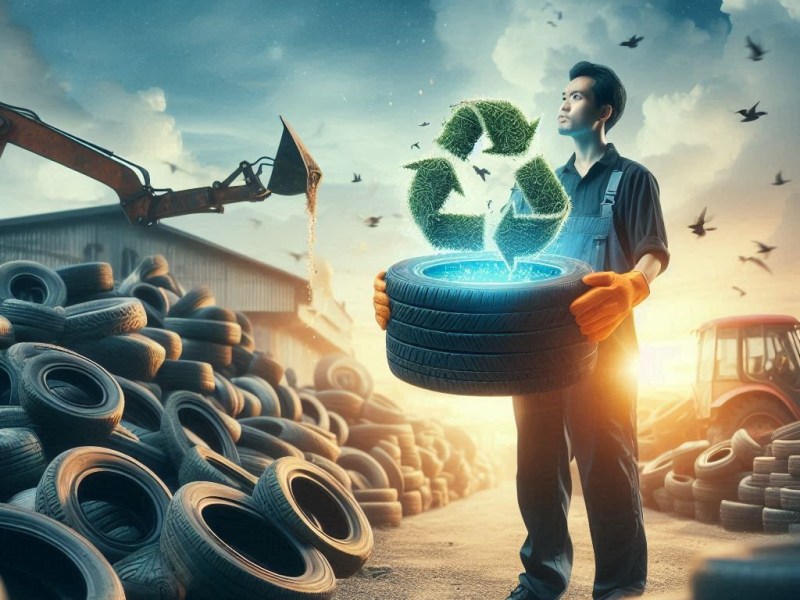
Turning Waste Rubber into Sustainable Solutions
From automobile tires to industrial seals, from footwear to consumer goods, rubber products are ubiquitous. However, with the widespread use of rubber comes a significant environmental challenge: waste rubber disposal. The improper disposal of rubber products contributes to environmental degradation, posing risks to ecosystems and human health alike.

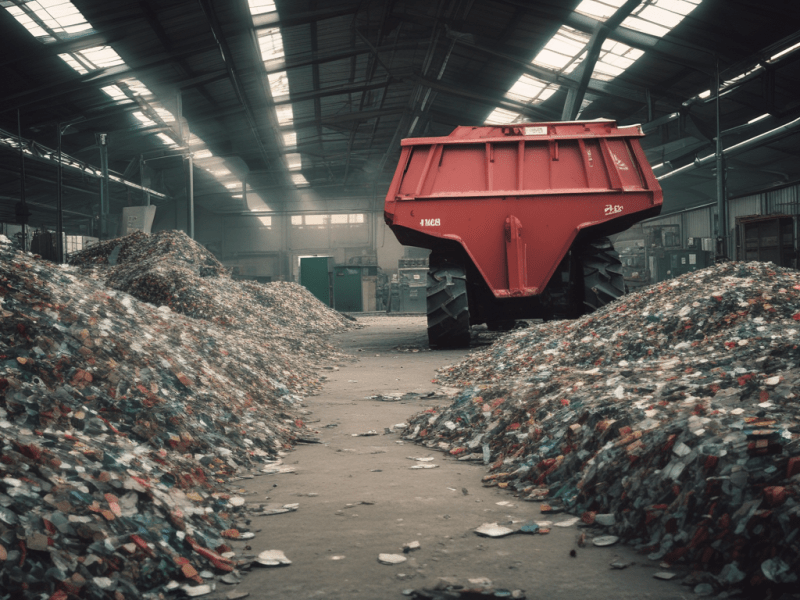
How to Dispose of Rubber Waste: 5 Effective Methods
This blog will explore five effective methods for disposing of rubber waste, highlighting their benefits and potential impacts on the environment.
FAQs
Here are 15 frequently asked questions (FAQs) about paper recycling:
1 . What types of paper can be recycled?
- Most types of paper can be recycled, including newspapers, magazines, office paper, cardboard, and paper packaging. However, some types of paper, like waxed paper or paper contaminated with food, cannot be recycled.
2 . How should I prepare paper for recycling?
- Remove any non-paper materials like plastic or metal bindings, and ensure the paper is clean and dry. Flatten cardboard boxes to save space.
3 . Can I recycle paper with ink on it?
- Yes, paper with ink on it, such as newspapers, magazines, and printed office paper, can be recycled. The recycling process will remove the ink.
4 . What should I do with shredded paper?
- Shredded paper can be recycled, but it should be placed in a paper bag or a clear plastic bag to prevent it from scattering. Check with your local recycling program for specific instructions.
5 . Can I recycle paper with staples or paperclips?
- Yes, paper with staples or paperclips can be recycled. The recycling process will remove these small metal pieces.
6 . Why is it important to recycle paper?
- Recycling paper helps conserve natural resources, saves energy, reduces greenhouse gas emissions, and decreases the amount of waste sent to landfills.
7 . Can glossy or coated paper be recycled?
- Yes, glossy or coated paper, such as magazines and catalogs, can be recycled. However, some highly plasticized or laminated papers may not be accepted.
8 . Can I recycle cardboard with tape on it?
- Yes, cardboard with small amounts of tape can be recycled. However, it’s best to remove as much tape as possible before recycling.
9 . What happens to paper after it’s recycled?
- Recycled paper is collected, sorted, cleaned, and processed into new paper products. This can include newspapers, cardboard, office paper, and tissue products.
10 . How many times can paper be recycled?
- Paper can typically be recycled 5-7 times before the fibers become too short and weak to be reused.
11 . Can I recycle paper towels and tissues?
- No, paper towels, tissues, and napkins are usually not recyclable because they are often contaminated with food, grease, or other substances.
12 . Is recycled paper of lower quality than new paper?
- Recycled paper can be of similar quality to new paper, but it may vary depending on the recycling process and the type of recycled paper produced.
13 . Can I recycle envelopes with plastic windows?
- Yes, envelopes with plastic windows can be recycled. The recycling process will separate the plastic from the paper.
14 . Can I recycle paper with adhesive labels?
- Yes, paper with adhesive labels can generally be recycled. However, large amounts of adhesive can sometimes cause issues in the recycling process.
15 . What should I do if I’m unsure whether a type of paper can be recycled?
- Check with your local recycling program for specific guidelines. They can provide detailed information about what types of paper are accepted in your area.
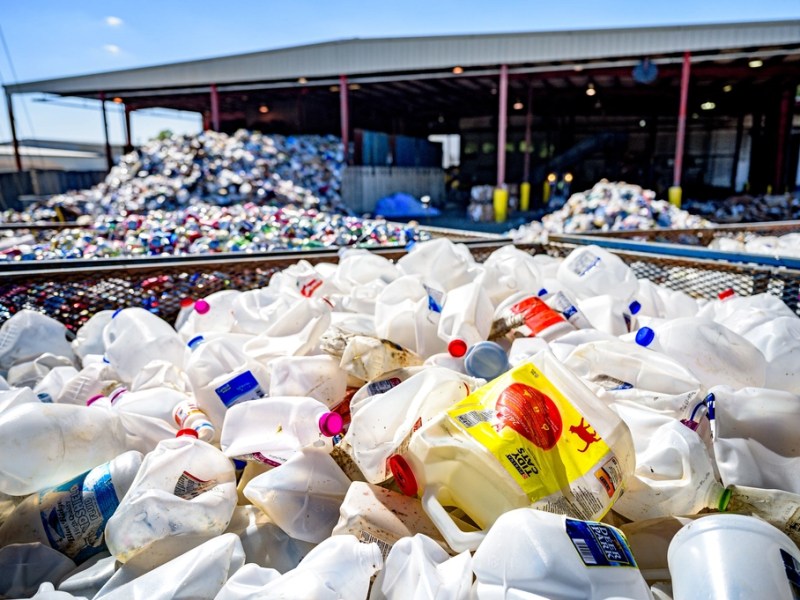
“How the UK Transforms Plastic Waste into New Products”
Plastic recycling is a critical component of waste management in the United Kingdom, given the extensive use of plastics in everyday life. Understanding the process, challenges, and advancements in plastic recycling helps appreciate the efforts toward environmental sustainability and the circular economy. This blog provides an in-depth look at how plastic is recycled in the…
The Endless Benefits of Plastic Recycling
This blog explores comprehensively the multifaceted advantages of plastic recycling, ranging from environmental to economic and societal impacts.

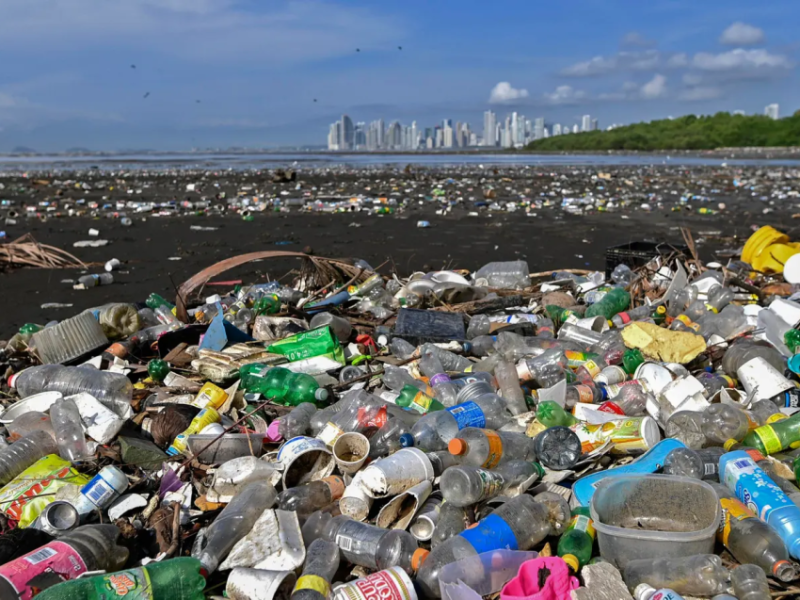
The Importance of Plastic Recycling: A Comprehensive Guide
This blog explores the importance of plastic recycling, examining its benefits, challenges, innovations, and future prospects.

 Waste Management Services